BUILT, NOT ASSIGNED.
I was paying attention to a gap nobody in North Alabama had thought to close.
Vintage-styled apparel was growing. Cities were building local brand identities around memory and design — places like Nashville, Austin, and Atlanta had entire ecosystems of local apparel done well. Huntsville had nothing. What existed was generic: borrowed fonts, tourist-shop graphics, the kind of thing you buy at an airport and wear once. Nothing that reflected the specific, layered, sometimes forgotten Huntsville that people who actually lived there carried with them.
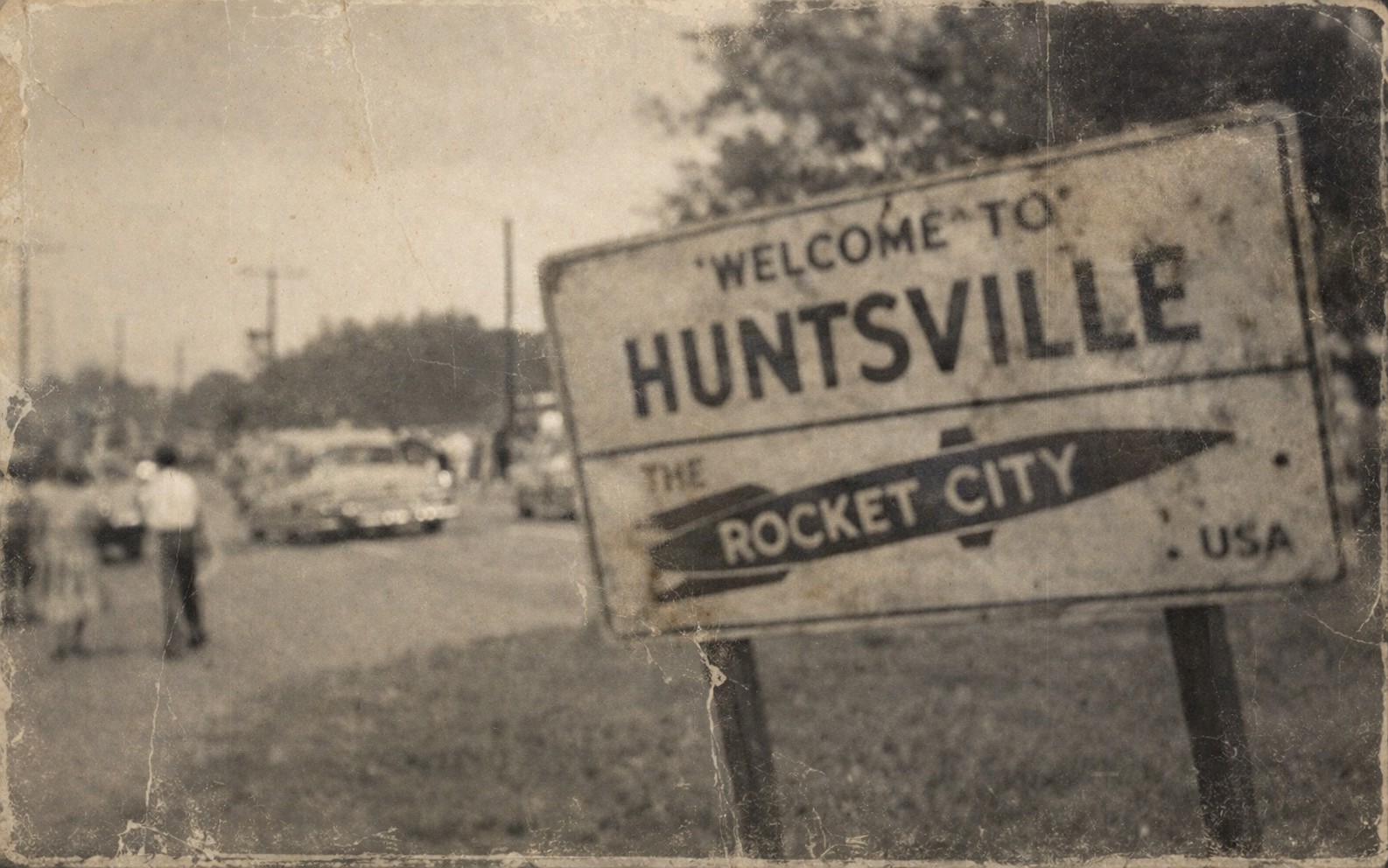
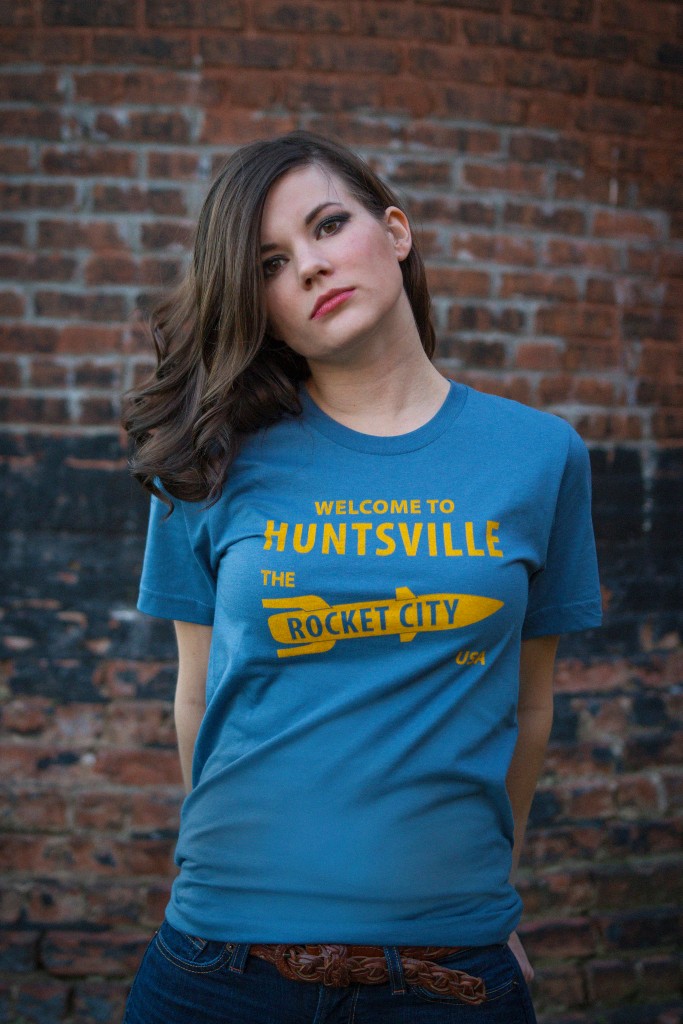
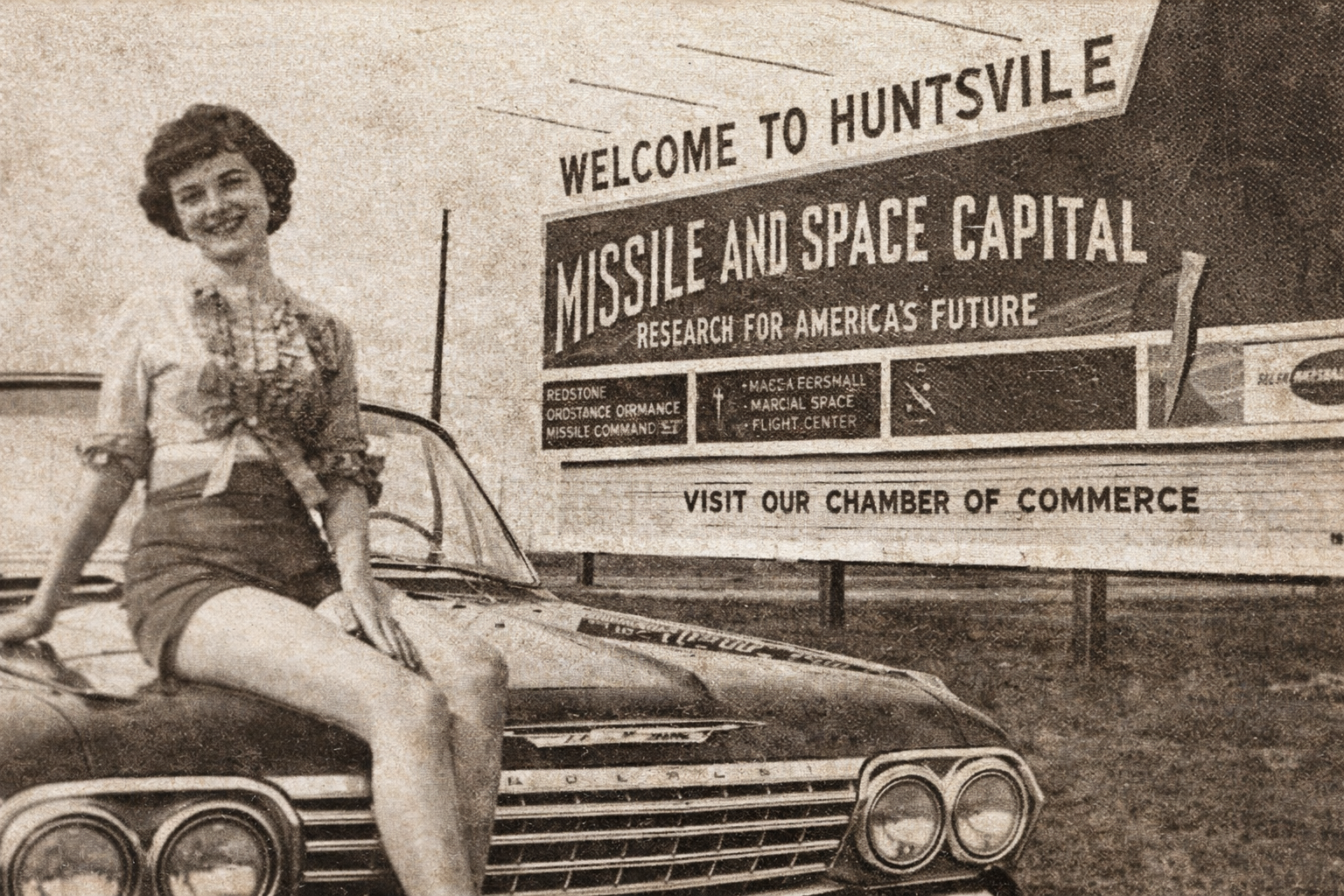
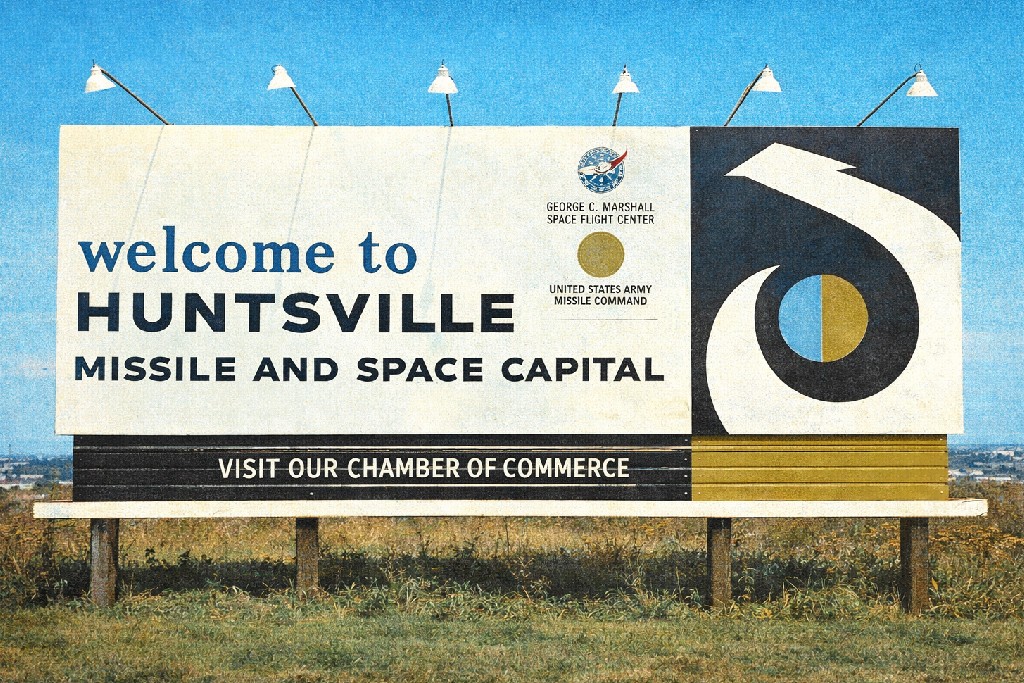
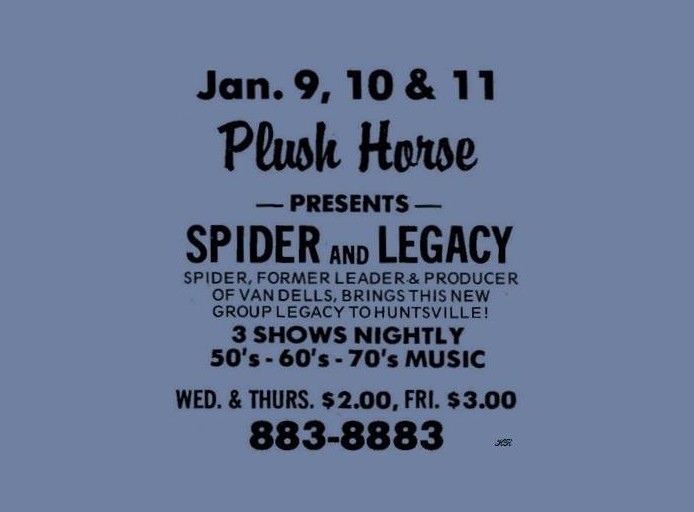
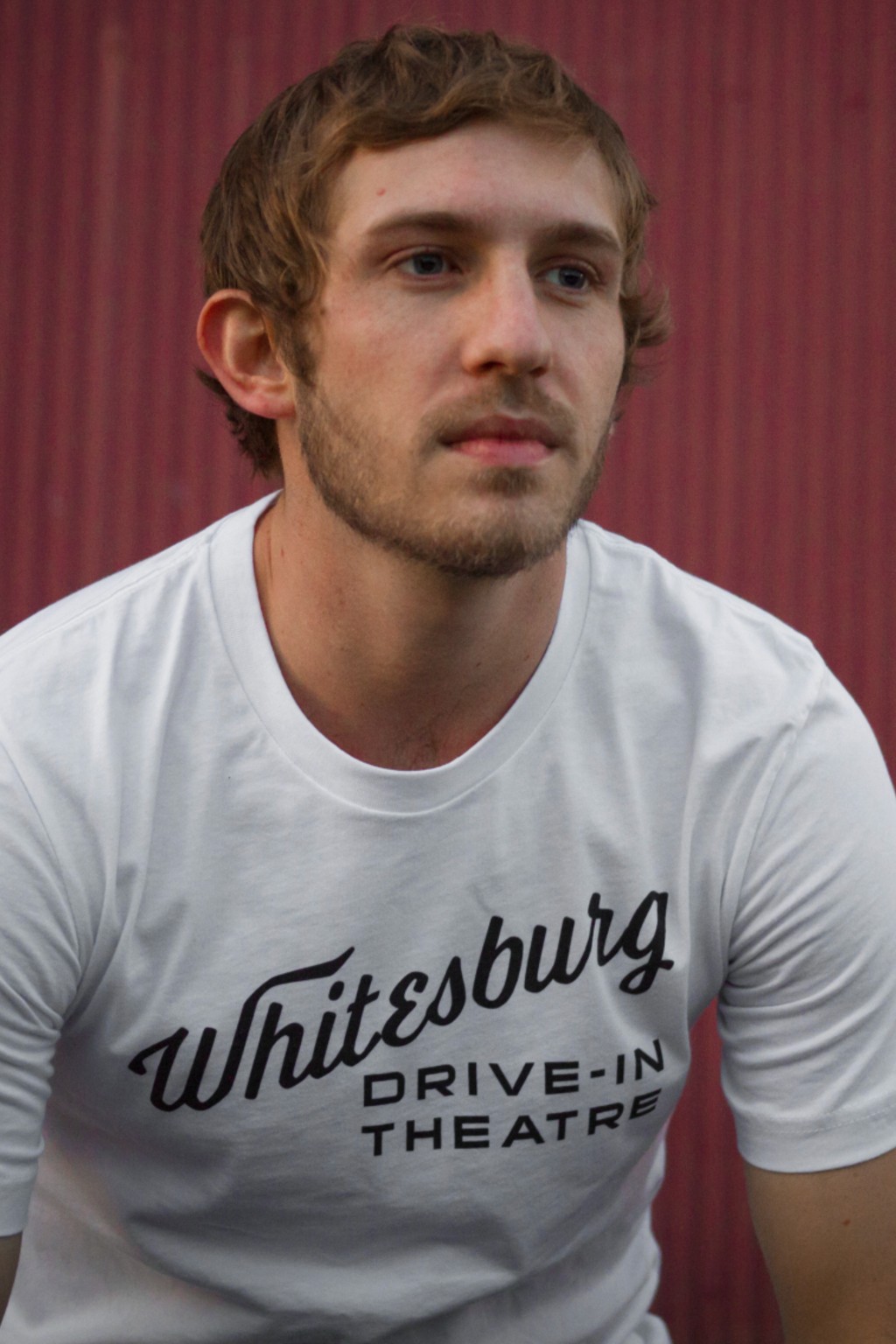
I kept hearing the same things. People talking about places they missed. The Plush Horse. Britlings. The old Welcome to Huntsville sign. The Whitesburg Drive-In. The Mall. Names that carried weight for anyone who grew up in the city or spent real time in it. There was a word-of-mouth archive of local memory sitting unclaimed.
If no one else was going to bring nostalgia and consumerism together in this market, I couldn't think of a reason it shouldn't be me. I named it. I designed the logo. I built the identity. I opened the store. I handled the media. And I brought it all into Red Brick to execute from the ground up.
Rocket City Brand was not a client project. It was a decision.
THE BRIEF.
The brief I wrote for myself had a clear standard and a clear tagline: modern fashion, timeless designs.
Most hometown apparel fails the same way. It confuses civic affection with design quality and assumes the audience's love of the place will carry the product. I had a perfectionist design aesthetic and a high standard that did not move for sentiment. Every design had to earn the second look. The one where a stranger across a bar notices a shirt and wants to know where to get it.
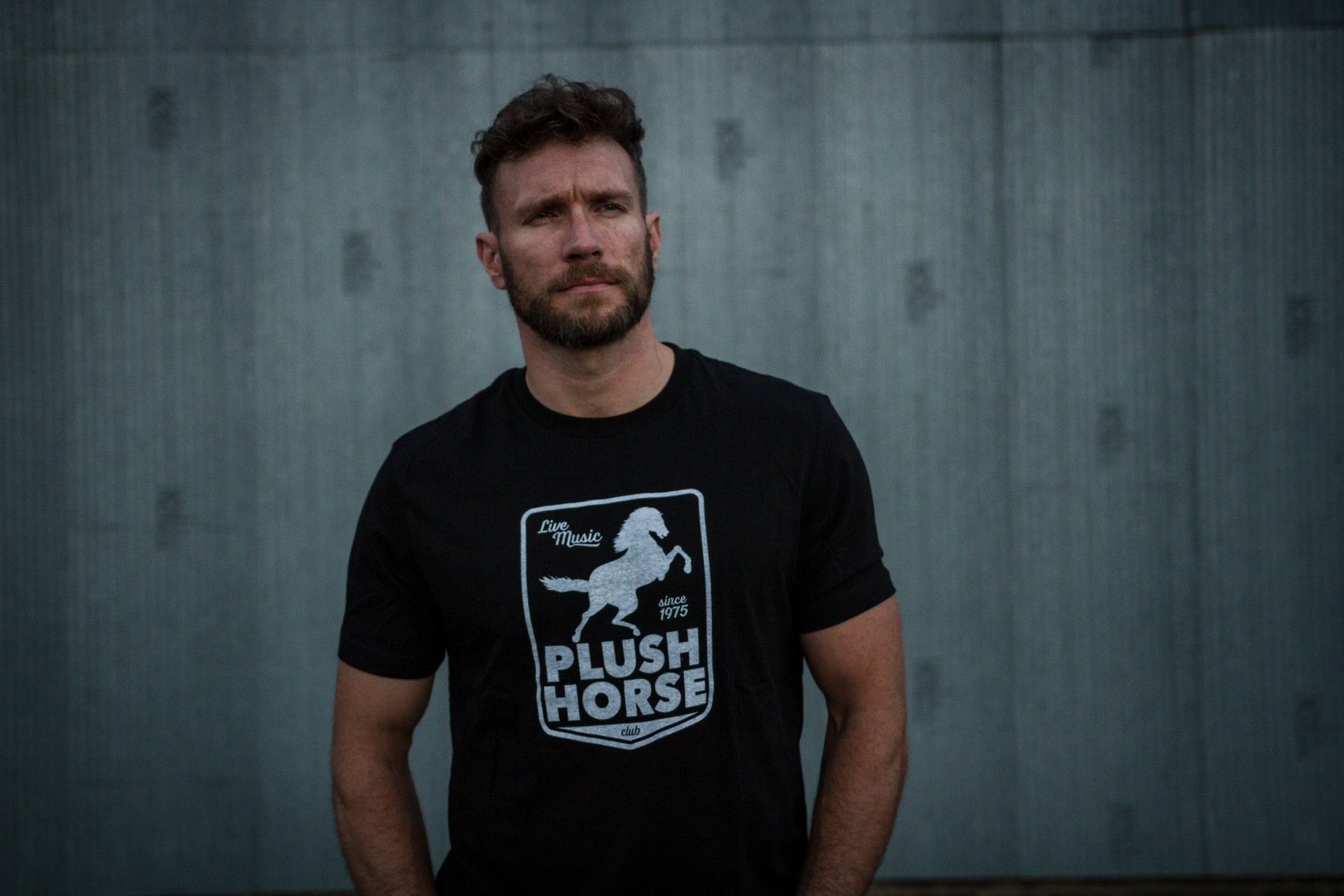
The brand pulled from Huntsville's actual memory. Not the generic Saturn V. Not the skyline silhouette. The specific, particular places and phrases that people who actually lived in this city knew and missed. The Plush Horse Club had been a Huntsville live music institution since 1975. I had never been there myself. I had spent years listening to people talk about how great it was — and that was enough. If that many people missed it, it belonged on a shirt.
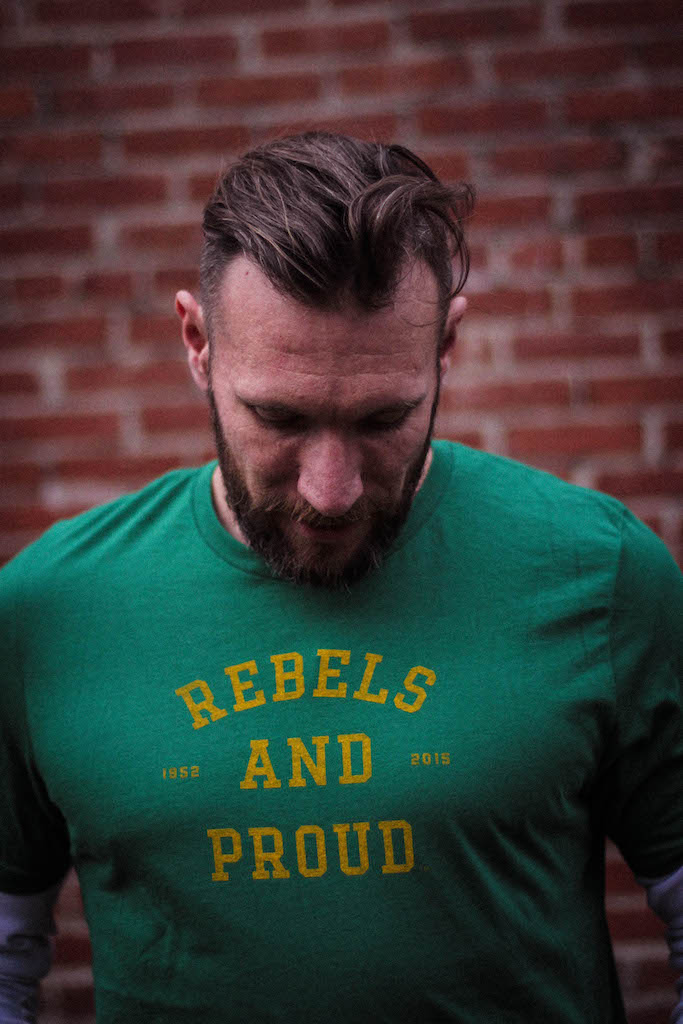
Britlings Family Buffet had been a beloved Huntsville institution, owned by Tommy Battle — who would go on to become the city's mayor, moving to Huntsville in part because of the restaurant. The Rebels and Proud design had a more personal origin: Butler High School's battle cry had been printed on a bumper sticker placed on a lamp post near the school and left there for literal decades. I went to Butler. I knew what that phrase meant.
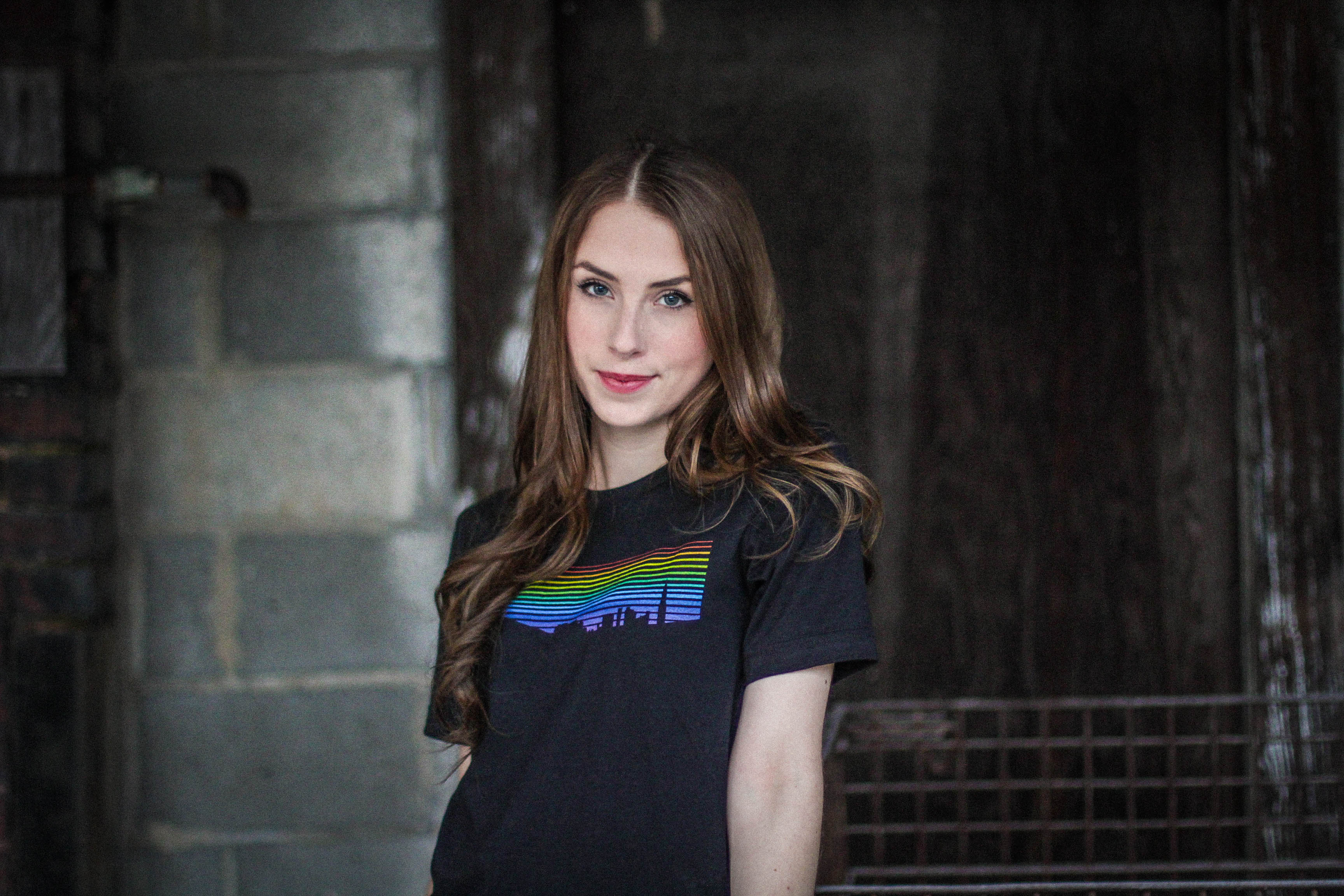
In 2015, when the Supreme Court ruled on marriage equality, I released a rainbow skyline design. I am gay. I did not treat it as a campaign. I treated it as a design decision that happened to be personal, released into the product line the same way I released everything else: because it was the right moment and I had the platform.
The scope I directed was complete: brand concept and name, logo and identity design, merchandise direction, photography art direction, web and e-commerce, social content and voice, TV and radio advertising, and retail launch at Clinton Row in downtown Huntsville.
THE PRODUCT.
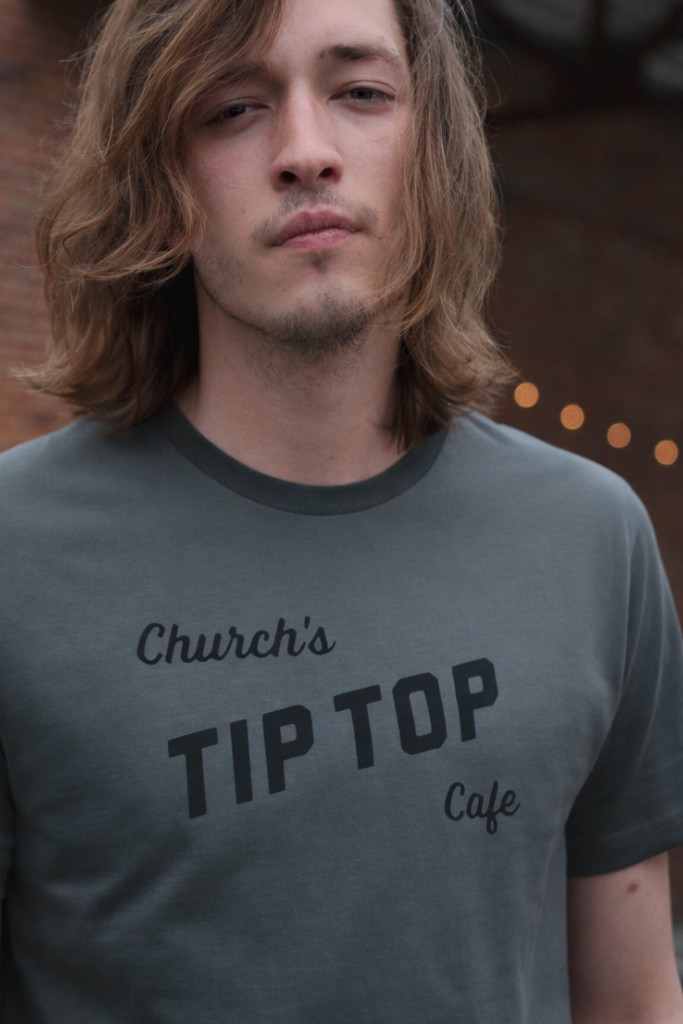
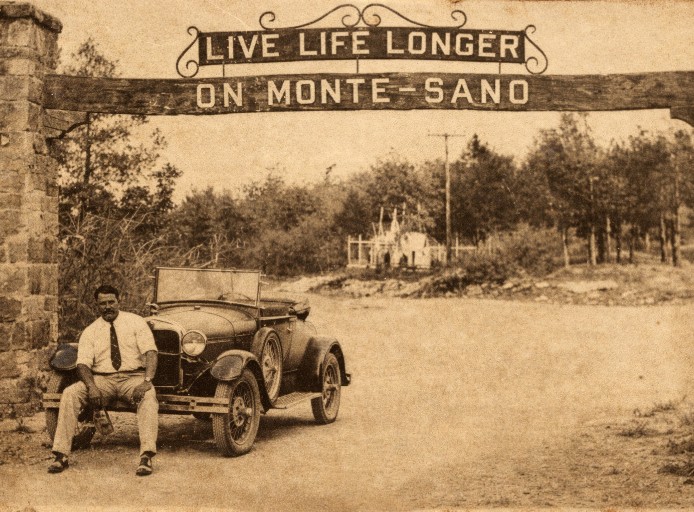
Every decision in typography, composition, photography, and product mix had to answer to design quality before civic feeling. The designs came from two places: Huntsville's collective memory, and my own. The Plush Horse. The Mall. Britlings. Places I had known, or places I had heard people talk about until they felt like my own. Either way, the standard was the same. The shirt had to earn the second look, the one where a stranger across a bar notices it and wants to know where to get it. People bought the shirts because the shirts were good. The local connection was the bonus.
One design stood apart from the commercial logic entirely. The Joe W. Davis for Mayor shirt was a tribute. Davis had been Huntsville's longest-serving mayor, holding four consecutive terms before Tommy Battle entered office. His name was on the baseball stadium. I wanted to give an entire generation of Huntsvillians a way to reconnect with a piece of civic memory they were carrying quietly. It was not the best seller. It may have been one of the worst. Some designs are for the market. That one was for me, and for every Huntsvillian who had been carrying that civic memory quietly for years.
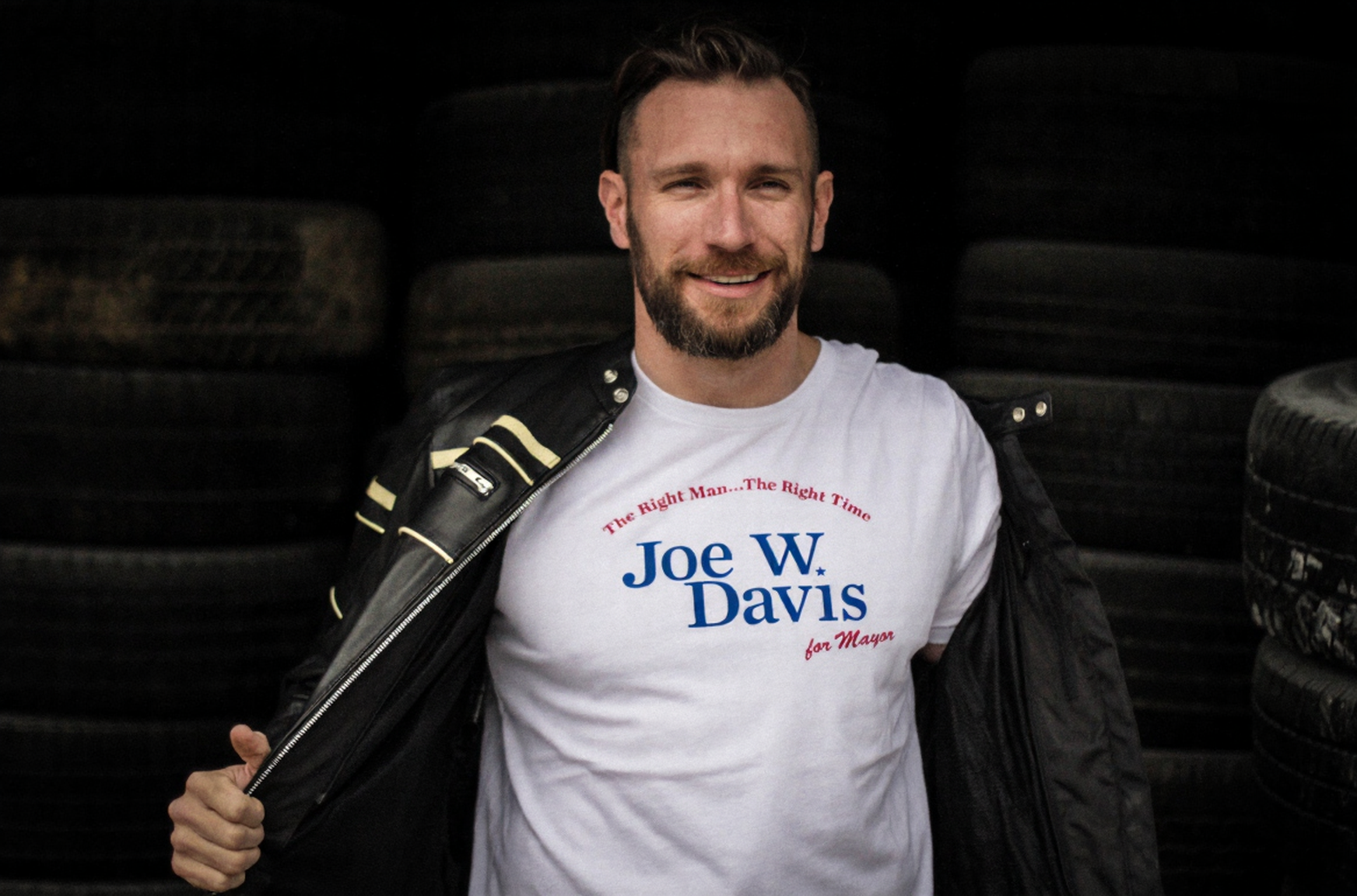 Joe W. Davis for Mayor — a tribute to Huntsville's longest-serving mayor
THE LAUNCH.
The first series sold out.
I had ordered every shirt upfront and paid for all of it before a single unit moved. That is how first-time retail works when you do not have a system yet: you order, you pay, and you find out whether you understood your market or whether you are now storing inventory. I had no excess. No leftover sizes. I had read the city correctly on the first try.
The sell-through was not accidental. Red Brick brought a full marketing approach to the launch: TV spots, radio, social content built around the same gritty photography style as the brand itself, and a website that felt like a real destination. The retail location inside Clinton Row placed the brand in the middle of downtown Huntsville's growing momentum.
Series two followed. Then three and four. Each one adding new references, deepening the archive of what Huntsville had been and what it was becoming. Series five, the lost series, broke from the local landmark framework entirely and moved into humor. "No Chickens in the City" documented a zoning controversy over a proposed ordinance that would have allowed backyard chickens in city-zoned properties. It failed. "Stop Beautiful Art" was a wink at a neighborhood complaint about a fifty-foot mural Red Brick had painted on a building downtown. The complainant had the wrong building. The mural stands today.
THE RESULT.
Rocket City Brand found its audience and held it across five product series.
People came into the store with photographs of themselves at the Plush Horse. They stopped to tell the staff about a memory connected to the design on a shirt. They bought twenty copies of the same shirt for themselves and their friends. They mourned the Whitesburg Drive-In, destroyed decades earlier by fire, and wore the shirt as a way of keeping it alive.
I understood early that a brand built on nostalgia has a natural arc. There is a point at which the well runs dry, the references become too obscure, or the audience has moved on. I planned for that. I maximized the brand's run before it reached that point and exited on my terms.
The brand earned media coverage in local news for commemorating Huntsville's history. It established a retail presence in the heart of downtown during the city's formative years of growth. It became a local favorite and a destination for visitors looking for something that actually came from the place.
Series one moved more than a thousand units. Multiple designs in subsequent series sold out completely. For a brand built in spare hours alongside a running business, nights and weekends at the shop, the numbers were not the point. But they were real.
The Huntsville Times and AL.com put it on the front page of the Business section three times — November 2014, April 2015, and June 2016. Local television covered it. Local radio covered it. None of that was the goal. It was a byproduct of building something people actually cared about.
Most importantly, it gave Huntsville something most cities do not get from their local apparel brands: designs people chose because of how they looked. The local pride was built in. The quality was the reason.
Rocket City Brand made Huntsville feel like itself. Just sharper. And I made it from scratch.